
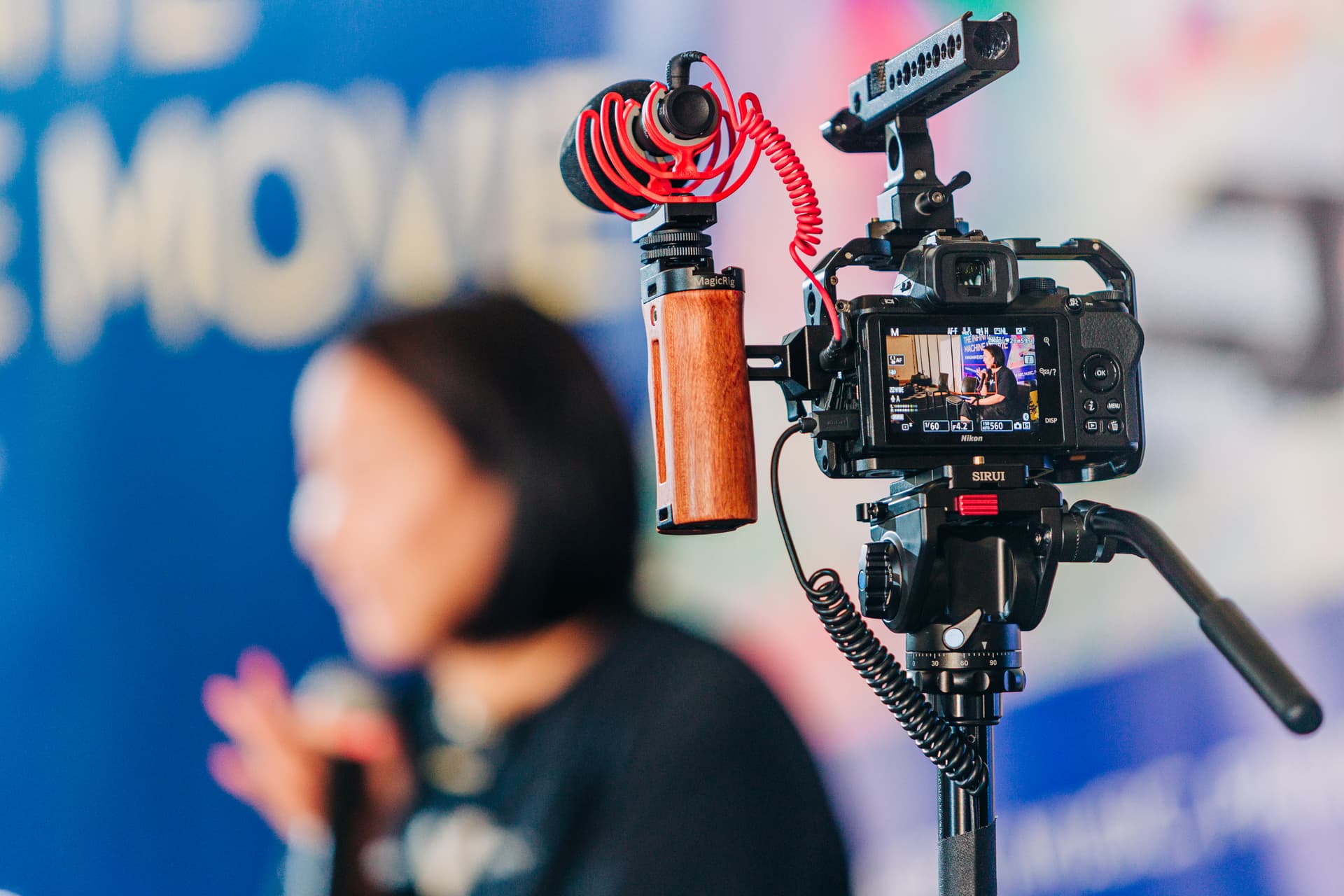
Every March, Austin transforms. SXSW takes over the city with thousands of panels, showcases, networking events, and parties across dozens of venues over 10+ days. It's chaotic, exhausting, and one of the most exciting weeks to be a photographer in this city.
I've covered SXSW events for multiple years—from intimate 30-person panel discussions at the Brazos Hall to 150-person industry parties at venues like Distribution Hall and large scale talks at The Paramount Theatre. Along the way, I've learned that shooting SXSW is fundamentally different from shooting any other corporate event.
Here's what I've figured out—and what you should know if you're planning to hire a photographer for your SXSW event.
Why SXSW Events Need a Different Approach
At a typical corporate event, I can do a walkthrough beforehand. I know the venue, the lighting, the schedule. SXSW throws all of that out the window.
The challenges:
- Venues change from event to event — you might be in a hotel ballroom for a morning panel and a rooftop bar for an evening mixer
- Lighting varies wildly — bright conference rooms, dim cocktail lounges, outdoor stages with stage lighting
- The energy shifts fast — a focused panel discussion has a completely different feel than a late-night industry party
- People are everywhere — SXSW crowds are dense, and navigating tight spaces with camera gear is an art form
What this means for photography: you need someone who can adapt instantly. Read a room, adjust settings, find the right position, and nail the shot—all within seconds.
How I Shoot Different SXSW Event Types
Panel Discussions & Keynotes
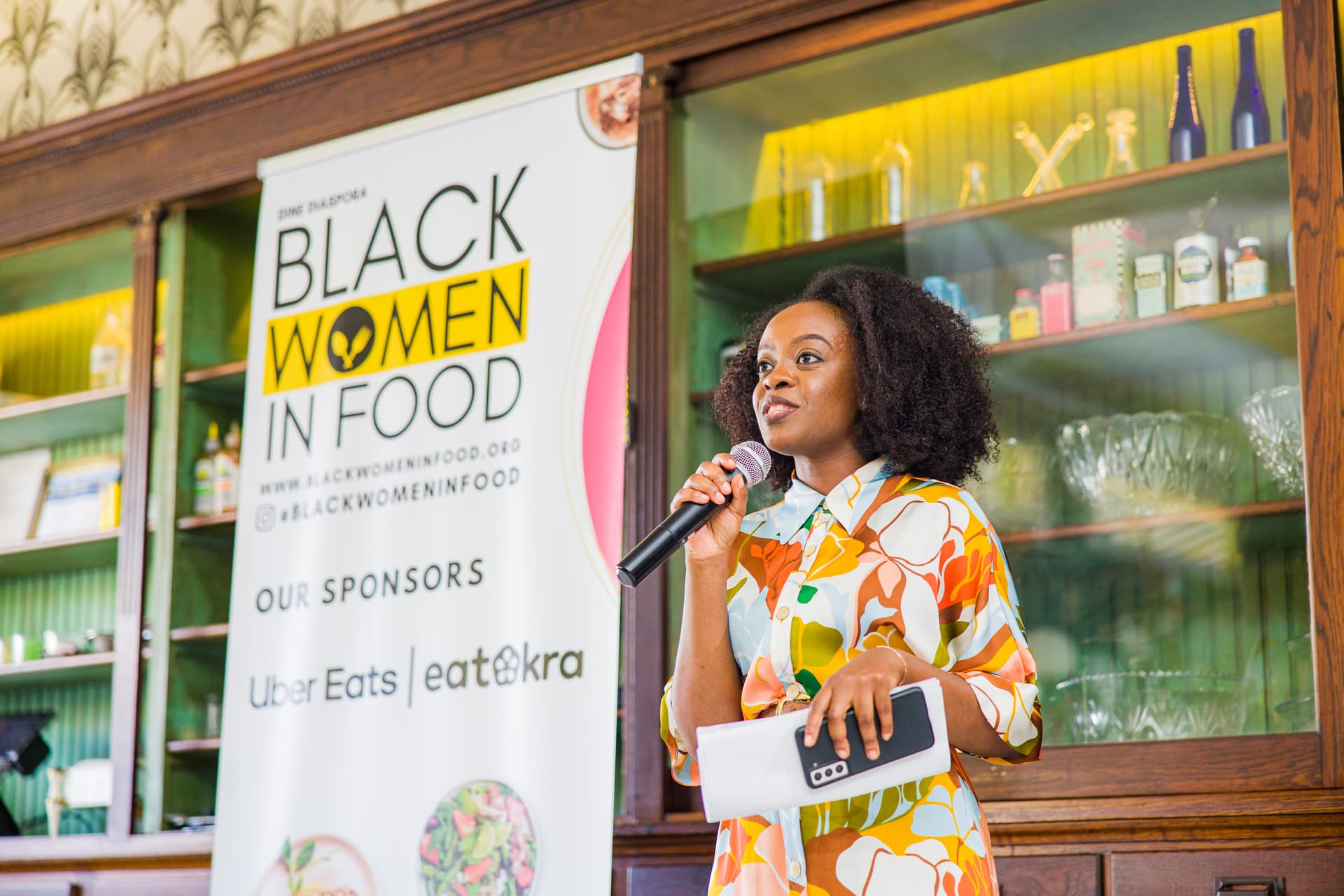
The challenge: Capturing energy in a format that's essentially people sitting in chairs talking.
My approach: Panels are all about expressions and body language. I position myself at multiple angles throughout the session:
- Side-stage: For speaker close-ups that show facial expressions and gestures
- Back of room: For wide shots showing an engaged, full audience
- Audience level: For reaction shots of attendees taking notes, nodding, engaging
Lighting strategy: Conference rooms are usually bright and evenly lit, which means I can often shoot with natural light only—no flash to distract speakers or audiences. When rooms are darker (some hotel conference spaces are surprisingly dim), I use subtle off-camera flash positioned to look like ambient light.
What I deliver: Sharp, well-lit images of speakers mid-point, engaged audience shots for social proof, and wide establishing shots that show event attendance.
Tip for event planners: Let me know your key speakers and must-capture moments in advance. If there's a product demo, a surprise guest, or a specific slide you want documented, I'll be ready.
Networking Events & Receptions
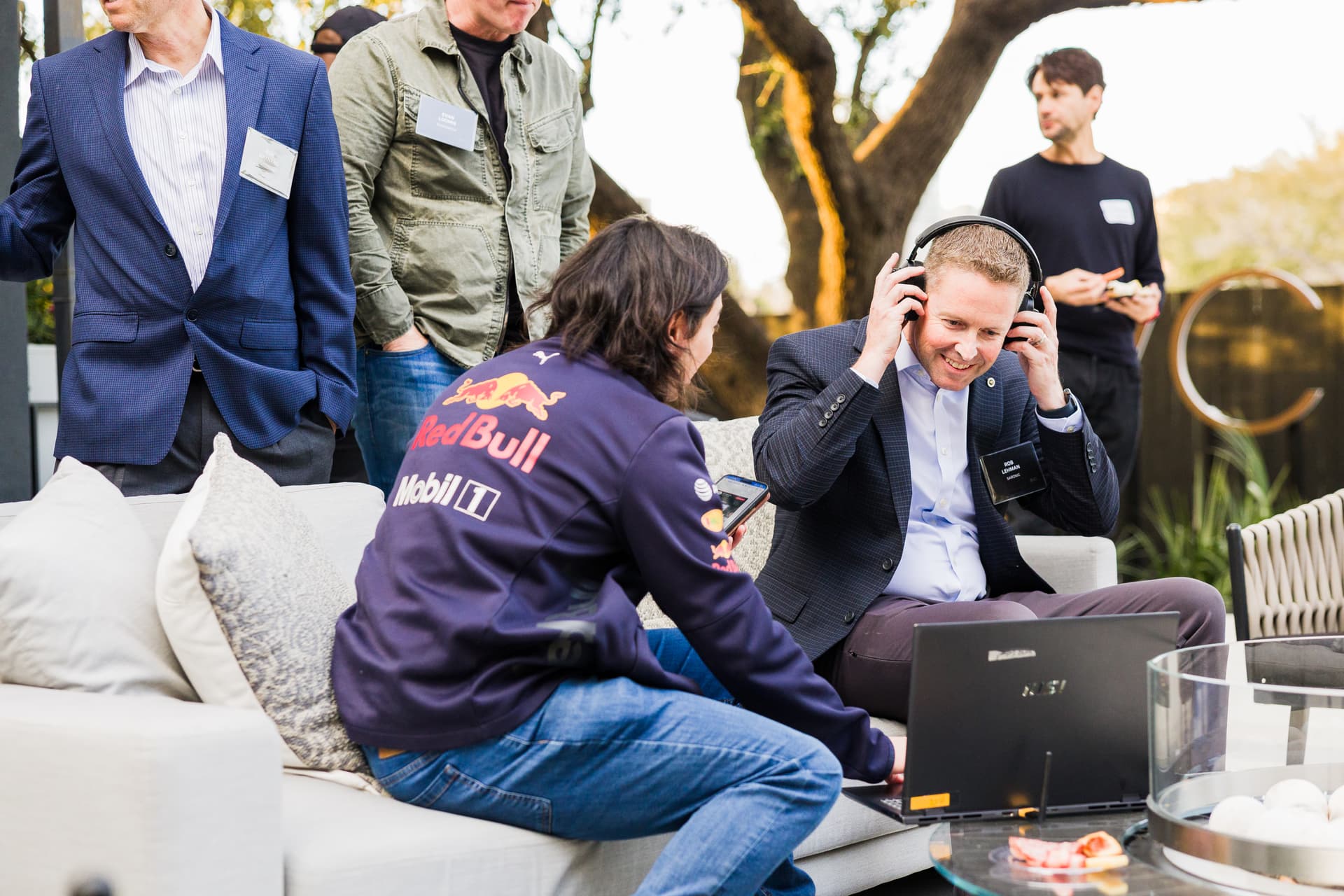
The challenge: Capturing genuine connections in a room full of people holding drinks and business cards.
My approach: This is where I go full candid. I move through the crowd with a longer lens, catching handshakes, genuine laughs, and small group conversations without interrupting them. The best networking photos feel organic—not like someone tapped two people on the shoulder and said "smile!"
I also grab:
- Wide venue shots that show a full, buzzing room (great for promoting next year's event)
- Detail shots of branded signage, food, decor—the things that show production quality and value for your event sponsors
- Environmental portraits of key attendees in context
Lighting strategy: Most networking events happen in the evening with mixed lighting—some natural, some venue ambient, some colored accent lighting. I blend on-camera flash with available light to keep the mood atmospheric without washing everything out, while periodically using off-camera flash to create dynamic lighting across the whole room.
Tip for event planners: Point out VIPs and key guests when I arrive. I'll make sure they're well-documented without being intrusive. Also, if there's a specific area with better lighting (near windows, under certain fixtures), I'll steer people there for the best casual portraits.
Industry Mixers & Parties
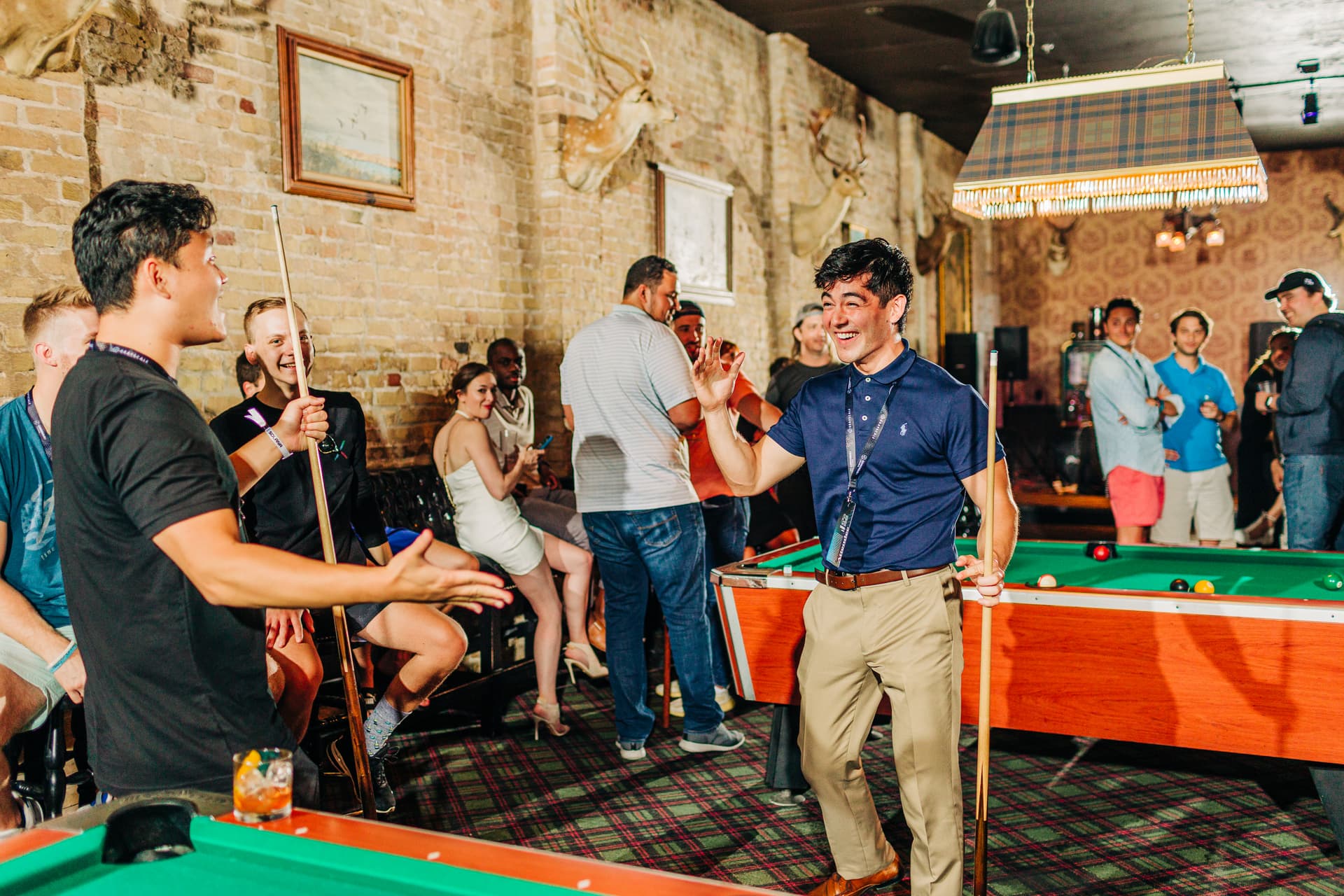
The challenge: Capturing the energy and fun of a party that's also a professional event.
My approach: SXSW parties operate at a different speed. Things happen fast—toasts, impromptu speeches, group photos, dance floor moments, brand activations. I stay mobile, moving through the space constantly, anticipating moments before they happen.
These events are where my experience really matters. After covering dozens of similar events, I know the rhythm: when the energy peaks (usually right after a toast or when the music kicks up), when the best candid moments happen (during transitions between formal and informal), and when to switch from wide establishing shots to tight emotional close-ups.
Lighting strategy: SXSW parties often have dramatic lighting—neon brand colors, stage lights, dim atmospheric settings. I use high-quality lenses that perform in low light and blend off-camera flash with the existing vibe. The photos should feel like the party felt, not like a camera crew killed the mood.
Tip for event planners: Give me freedom to move. The best party photos come from a photographer who can access the stage, the back bar, the VIP area, and the dance floor without restrictions.
What SXSW Event Organizers Should Know
Book Early
This is not optional. SXSW is the busiest week of the year for Austin photographers. If you're planning a SXSW event, reach out to photographers 1-2 months in advance. By March, most experienced event photographers are already booked for the main conference days.
Share Your Goals
"Take photos at our event" is a brief. "We need 20 social-ready images by midnight for our LinkedIn campaign, plus a full gallery for our annual report" is a useful brief.
The more I know about how you'll use the photos, the better I can prioritize my time during the event. Are you building a case study? Promoting next year's event? Creating content for investor updates? Each of those requires a different shooting approach.
Plan for Fast Turnaround
SXSW moves fast, and your social media should too. I offer same-day delivery of select images for social media during multi-day events, with full gallery delivery within 7-14 business days after the event wraps.
If you're running a multi-day SXSW presence, we can set up a workflow where I deliver batches of edited highlights each evening so your social team can post in real time.
Budget Realistically
SXSW event photography typically runs:
- Half-day event (2-4 hours): $800-$1,500
- Full-day event (6+ hours): $2,000-$2,750
- Multi-day coverage: Custom packages based on schedule and deliverables
- Rush delivery surcharge: $300 for 24-hour gallery turnaround
These are Austin peak-season rates. SXSW week is premium because demand is high and the work is intensive—you're getting a photographer who can handle fast-paced, unpredictable environments and deliver polished results on a tight timeline.
The Real Value of SXSW Photography
Your SXSW event happens once a year, but the photos work for you all year long:
- Immediate: Real-time social media content during SXSW
- Short-term: Event recaps, press releases, attendee thank-you emails
- Long-term: Next year's marketing materials, website content, investor decks, company culture pages
The companies that invest in quality event photography at SXSW are the ones whose events look like the must-attend moments of the week—even if they were a 40-person panel in a hotel conference room. That's the power of good photography: it elevates the perception of your event.
Planning a SXSW 2026 event? Let's talk now—my calendar fills up fast for March.
Related:
- What Great Corporate Event Photography Actually Looks Like
- Corporate Event Photography Pricing
- View Events Portfolio
Need event photography? View Corporate Event Photography Services | Get in Touch