
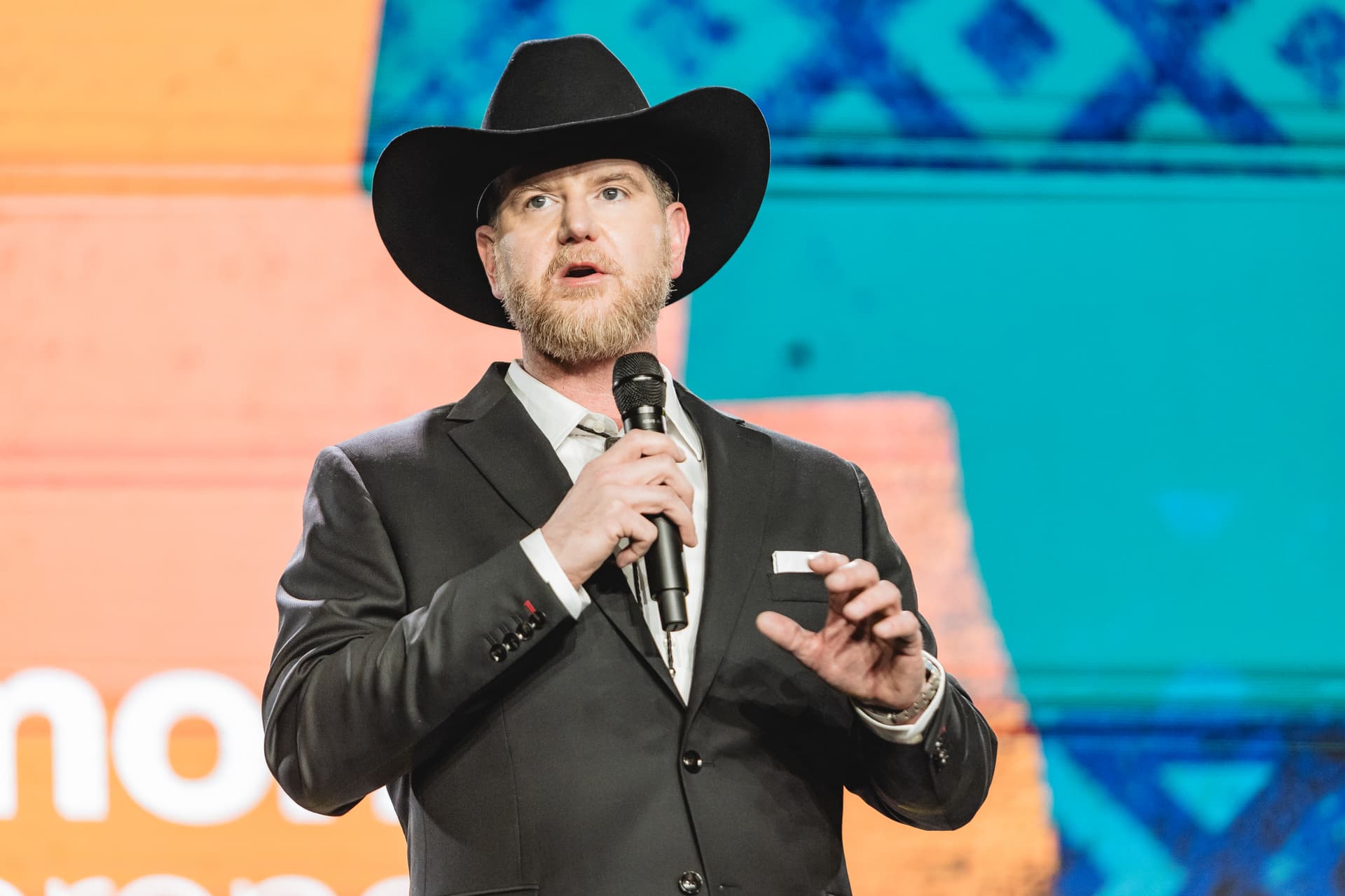
You've been put in charge of booking a photographer for your company's next event. Maybe it's a conference, a gala, a product launch, an awards dinner, or a holiday party. You need someone professional, reliable, and good at their job.
So you Google "event photographer Austin," and now you're staring at 30 websites that all say roughly the same thing: "capturing your special moments with professionalism and care."
Cool. Very helpful. How do you actually choose?
After photographing 250+ corporate events across Austin — from tech conferences at the Austin Convention Center to intimate dinners at Hotel Van Zandt — here are the 10 questions I'd ask if I were the one doing the hiring. These are the questions that reveal whether a photographer is genuinely right for your event or just good at writing a website.
1. Can I See a Full Gallery From an Event Similar to Mine?
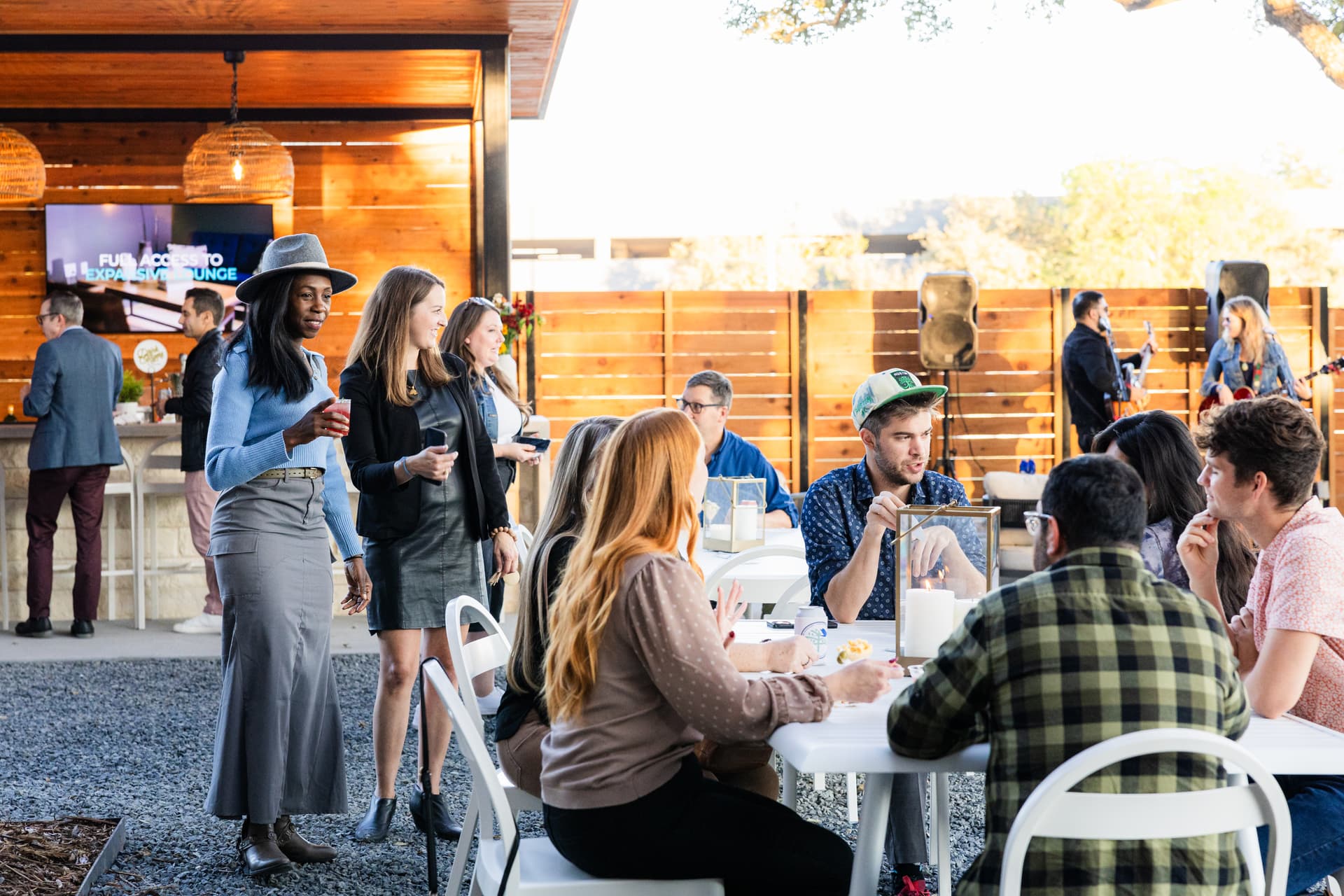
This is the most important question on this list, and most people don't think to ask it.
Every photographer's website shows their best 20-30 images. Those images have been curated, polished, and arranged to make maximum impact. They tell you the photographer can take great individual photos.
What they don't tell you: What the other 350 photos from that event look like.
Event photography is about consistency across an entire evening, not just a handful of hero shots. Ask to see a complete gallery from a recent event — ideally one similar to yours in size and type. You want to evaluate:
- Is the quality consistent from the first hour to the last?
- Are the candid shots as good as the posed ones?
- Can they handle mixed lighting? (Ballroom chandeliers, stage spotlights, dim cocktail areas — all in the same event?)
- Is there good variety — wide shots, tight details, people interacting, environmental context?
A photographer who's confident in their work will share a full gallery without hesitation. One who hesitates might be a one-hit-wonder with a good highlight reel.
2. How Do You Handle Mixed Lighting Environments?
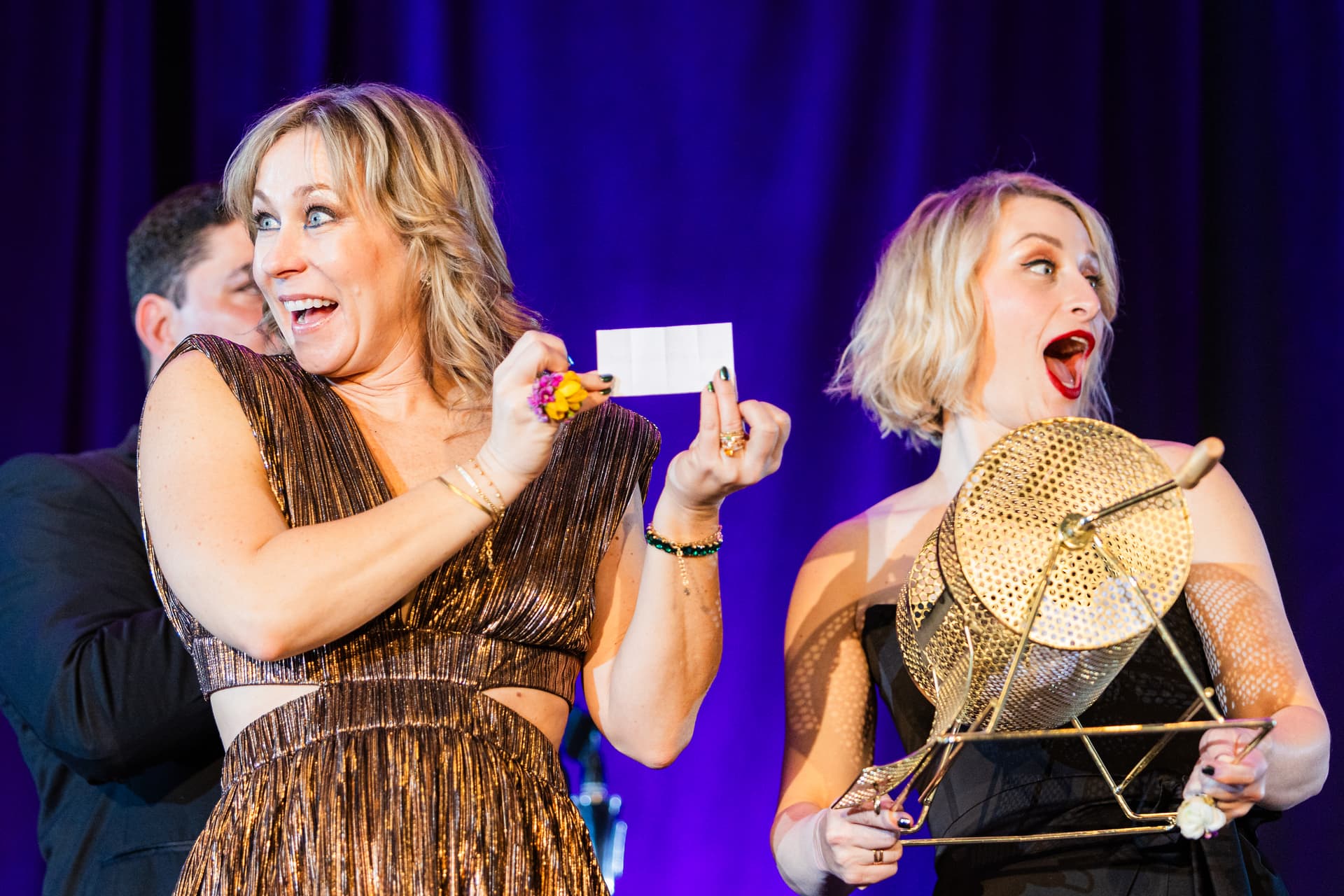
This is the question that separates experienced event photographers from portrait photographers who occasionally shoot events.
Corporate events are lighting nightmares. In a single evening, you might have:
- A bright, windowed cocktail hour (natural light, easy)
- A dimly lit ballroom (tungsten/amber, challenging)
- A stage with colored LED uplighting (mixed color temperatures, very challenging)
- A dance floor with DJ lights (rapidly changing colors, extremely challenging)
- An outdoor patio at dusk (fading natural light, tricky)
A photographer who primarily shoots in studios or ideal golden hour lighting may struggle with this. An experienced event photographer knows how to manage off-camera flash, adjust white balance on the fly, and deliver consistent color across wildly different lighting conditions — all without slowing down the event.
What to listen for: Specific techniques, not vague reassurances. "I bring off-camera flash and modify it based on the space" is a real answer. "Don't worry, I'll make it work" is not.
3. What's Your Turnaround Time, and Can You Deliver Selects Faster?
Industry standard for full event galleries is 7-14 business days. I deliver within 7 business days for most events, which is on the fast end — and that speed matters because timely content is usable content.
But here's the question behind the question: can you get me a handful of images quickly for immediate use?
If your marketing team wants to post recap photos on social media the next morning, or your CEO needs a photo from the keynote for a LinkedIn post this week, waiting 7-14 days defeats the purpose. Ask whether the photographer can deliver 5-10 select images within 24-48 hours of the event.
This is not always included, but often needed for large scale events. Most professional photographers in the event space are happy to offer this - sometimes it is included, sometimes it is an add on - but it is important to communicate this need before the event, and make sure they can deliver if it is possible.
4. How Many Final Images Can I Expect?
This varies widely, and knowing the number in advance helps your marketing team plan.
General benchmarks for event photography:
| Event Length | Typical Image Count |
|---|---|
| 1-2 hours (cocktail reception) | 50-150 images |
| 3-4 hours (conference or gala) | 200-400 images |
| 6-8 hours (full-day conference) | 400-700+ images |
These numbers depend on the event's pace, the number of attendees, and the shot list. A 200-person gala with a packed schedule produces more photos than a 50-person cocktail hour. But having a rough number upfront helps you set expectations with your team and plan your content calendar.
Also ask: What format are the images delivered in? High-resolution JPEGs for print, web-optimized versions for social media, or both? You don't want to receive 400 massive files when all you need are social-ready images — or vice versa.
5. Do You Work From a Shot List?
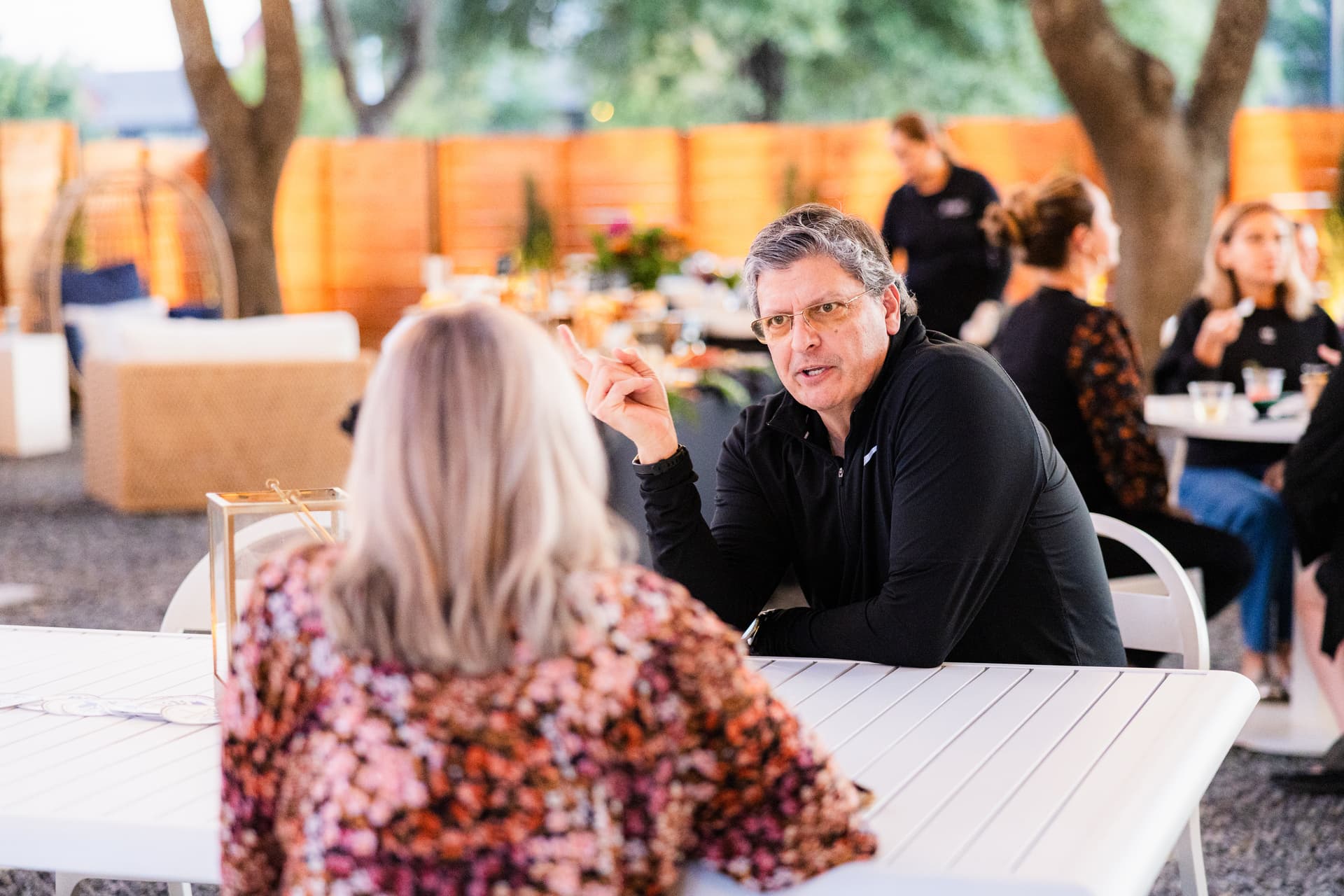
The best event photography balances two things: a clear plan and the flexibility to deviate from it.
A shot list ensures nothing critical gets missed — the CEO's keynote, the award presentation, the sponsor signage, the VIP attendees your boss specifically told you to get photos of. Without a shot list, those moments are left to chance.
But a photographer who only follows the shot list misses the best stuff: the spontaneous handshake, the genuine laugh during a panel, the quiet moment between colleagues that shows your company culture better than any posed photo ever could.
What to look for: A photographer who actively helps you build the shot list (based on experience with similar events), treats it as a framework rather than a rigid script, and has the instinct to capture moments that aren't on the list.
My process: I ask every client to send me their must-have shots at least a week before the event. I'll add suggestions based on what I've seen work at similar events. Day-of, the shot list lives in my back pocket — but my camera is pointed at whatever's actually happening, not just what's on paper.
6. Will You Blend In or Stand Out?
This matters more than you think.
Some events call for a photographer who's practically invisible — moving through a cocktail reception, capturing candid interactions, never interrupting a conversation or blocking a sightline. Corporate networking events, board dinners, and VIP receptions are like this.
Other events need a photographer who's a visible, active presence — directing group photos, coordinating with the AV team for stage shots, positioning themselves for the keynote. Conferences, galas, and milestone celebrations are like this.
The question to ask: "How do you approach being present at an event without being disruptive?"
A good event photographer reads the room. During the cocktail hour, I'm a ghost — long lens, staying on the periphery, capturing conversations without inserting myself into them. During the award presentation, I'm in the front row with a wider lens, fully visible, because that's where I need to be to get the shot. The ability to switch between those modes is what separates event photographers from general photographers.
7. What Happens If Something Goes Wrong?
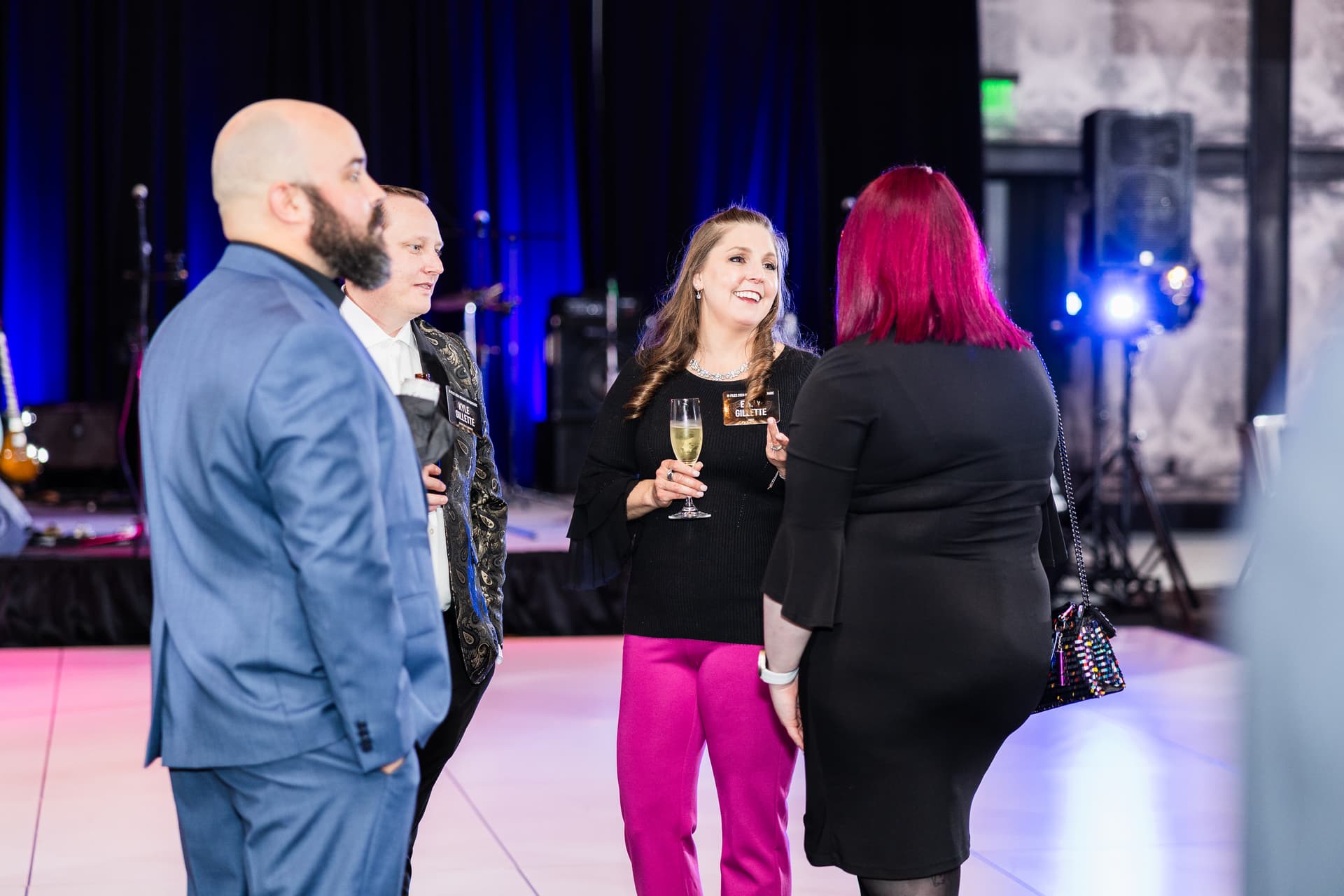
Events are live. Things go wrong. The schedule runs late, the lighting changes unexpectedly, a VIP shows up early, the venue moves a presentation to a different room. You need a photographer who can adapt without needing hand-holding.
Questions to ask:
- What if the event runs longer than expected? (Overtime rates? Flexibility?)
- What if the venue lighting is dramatically different from what was planned?
- Do you bring backup equipment? (Camera bodies, lenses, flash units, memory cards)
- Have you ever had a gear failure at an event? What happened?
What you want to hear: Specific contingency plans, not "it'll be fine." Every professional event photographer has at least one backup camera body, backup memory cards, and backup flash. If they don't, that's a significant risk for a corporate event where there are no do-overs.
I bring two camera bodies, 8+ lenses, 4+ flash units, and enough memory cards for 10,000+ images to every event. I've had a camera body fail mid-event exactly once — I switched to my backup in under 30 seconds and the client never knew. That's why backups exist.
8. What Are the Full Costs — No Surprises?
Event photography pricing in Austin ranges widely. According to industry data, corporate event photography typically runs $150-$500 per hour depending on the photographer's experience, deliverables, and event complexity.
But the hourly rate isn't the full picture. Ask about:
| Potential Add-On | What to Ask |
|---|---|
| Travel fees | Is travel to the venue included, or is there an additional charge? |
| Overtime | What's the rate if the event runs long? Is there a grace period? |
| Editing scope | Is full editing included, or is there a per-image retouching fee? |
| Rush delivery | What does it cost to get images faster than standard turnaround? |
| Usage rights | Do I own the images outright? Can I use them for ads, social, print — everything? |
| Second photographer | Is a second shooter needed for my event size? What's the additional cost? |
My approach: I quote all-inclusive pricing for events. My rate covers the full shooting time, professional editing, high-resolution delivery with full commercial usage rights, and an online gallery. Travel within Austin is included. If your event runs 30 minutes over, I don't nickel-and-dime you. The quote you get is the number you pay — period.
9. Do You Have Experience With Events My Size and Type?
A photographer who's incredible at 30-person dinner parties might struggle at a 500-person conference. The skills overlap, but the execution is different.
Scale changes everything:
- Under 50 people: Intimate. You can get individual candid moments with most attendees. One photographer is enough
- 50-150 people: Mid-size. You need to be strategic about coverage — hit every group, every key moment, rotate through the space systematically. One photographer works well here.
- 150-300 people: Large. Can be covered easily by a seasoned event photographer, having an on site coordinator to help assure the schedule is running smoothly and coordinate with the photographer if there are any changes is instrumental here.
- 300+ people: Major event. Usually requires a 2nd shooter for part of the event, at least. Advance coordination with venue and AV teams is essential. Shot list becomes critical, and a precise timeline so your photographer(s) know where to be, and when.
Ask whether they've photographed events at your scale, and ideally at your specific venue. A photographer who's worked at the Austin Convention Center before knows the lighting quirks of each ballroom, where the power outlets are for flash setups, and which angles work for stage shots. That venue knowledge saves time and produces better results.
10. What's Your Editing Style?
This one gets overlooked, but it matters a lot — especially if you have brand guidelines.
Some photographers edit in a warm, moody style that looks great on Instagram but doesn't match your company's clean, modern brand. Others default to bright, airy editing that feels off for a black-tie gala. The editing style should complement both the event's atmosphere and your brand's visual identity.
What to ask:
- Can you match our brand's color palette in post-production?
- Can you show me examples of events with similar lighting to ours?
- Do you deliver both high-resolution and web-optimized files?
- Can you provide images with consistent color grading across the entire gallery?
If you have a brand style guide, share it. A professional event photographer will adapt their editing to align with your brand — not apply their signature filter regardless of context. When I worked with Holey Moley Golf Club on their brand shoots, their style guide called for wide-angle, high-energy, slightly chaotic imagery — completely different from how I'd approach a law firm's awards dinner. Both are event photography, but the editing serves entirely different brands.
Bonus: Red Flags to Watch For
You've asked the right questions. Now here's what should make you keep looking:
- No full gallery available to share. If they can only show you curated highlight reels, be cautious about consistency
- Vague pricing with lots of "it depends." Experienced event photographers can quote a price after a 10-minute conversation about your event
- No backup equipment. For corporate events, this is non-negotiable
- Slow communication. If they take 5 days to respond to your initial inquiry, imagine how responsive they'll be the week of your event
- No shot list process. Winging it works for casual events. For corporate events with stakeholders and sponsors, you need a plan
- Resistance to showing up early. A professional event photographer arrives before the event starts to scout the lighting, meet the AV team, and identify the best angles. Showing up right at start time means scrambling for the first 20 minutes
The Bottom Line
Hiring an event photographer isn't just about finding someone who takes nice photos. It's about finding someone who understands the pace, the politics, and the priorities of your specific event — and who can deliver consistent, professional results from the first handshake to the last toast.
The right photographer makes your job easier. They handle the details, anticipate the moments, adapt to the chaos, and deliver a gallery that makes your team (and your boss) look great.
The wrong one gives you a folder of photos where the CEO is blurry in half of them, the sponsor signage is nowhere to be found, and the lighting looks different in every shot.
Ask these 10 questions, and you'll know the difference before you book.
Planning a corporate event in Austin? Let's talk about coverage — I'll give you a straight answer on pricing, process, and whether I'm the right fit for your event.
Related:
- What Great Corporate Event Photography Actually Looks Like
- How to Plan a Brand Photoshoot That Actually Gets Used
- How Much Do Corporate Headshots Cost in Austin?
- View Event Photography Portfolio
Need event photography? View Corporate Event Photography Services | Get in Touch